Prevent Late Rent Payments Before They Turn Into Evictions
Late rent is the number one reason a tenancy ends in eviction, and almost every late rent payment is preventable. The fix is a rent payment process where the due date, the grace period, and the late fees are clear from day one, reminders go out on their own, and a late payment is caught in days instead of months. Equipped brings screening, rent collection, late fees, and records into one app, so on-time rent stops depending on your follow-up texts and most landlords never reach the eviction process at all.
- Automated reminders and automatic late fees on every rental agreement
- Screen out high-risk applicants before they sign the lease
- A documented rent payment record if you ever have to act


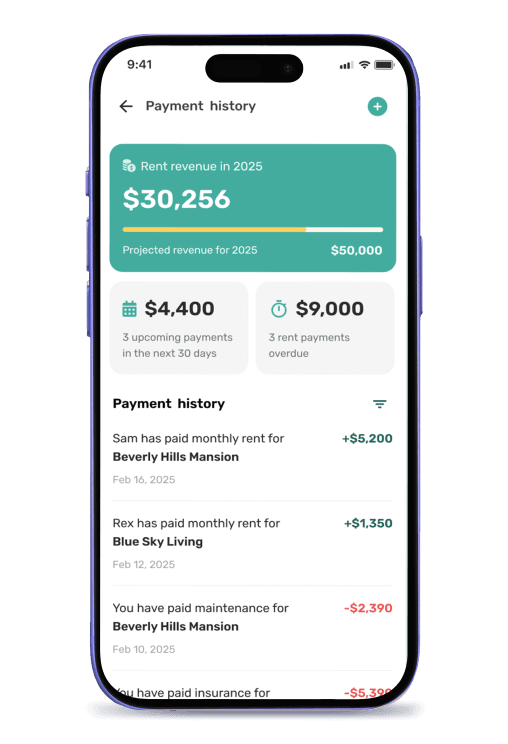

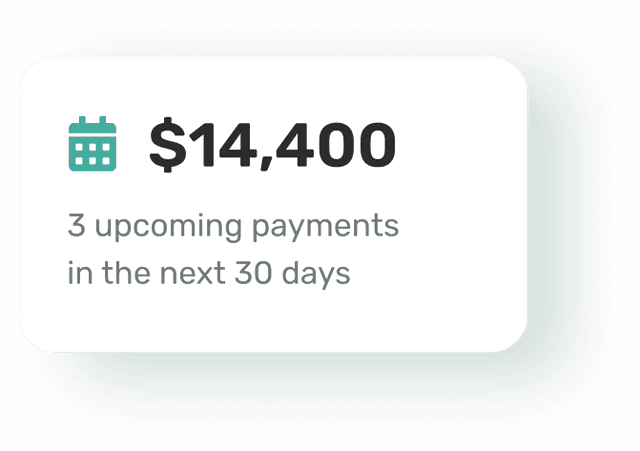
How to Prevent Late Rent Payments
Preventing late rent payments starts with the rental agreement, not the reminder text. When the written lease spells out the rent due date, the grace period, the exact late fees, and the day those late fees apply, a tenant knows the rules before the first rent payment is ever due. Vague late fee language is where most late rent disputes begin, so the clearer the lease agreement, the fewer late payments you argue about later.
The second layer is the payment process itself. When rent has a fixed due date, automatic reminders before rent is due, and late fees that apply on their own the moment a payment is late, a tenant who is a few days behind hears about it immediately. Offering more than one way to pay rent — ACH, debit, or credit card — removes the friction that turns a busy month into a late rent payment, and autopay removes it entirely for the tenants who opt in. Catching problems early matters just as much: a late payment flagged in the first week is a quick catch-up, while the same late payment ignored for a month becomes unpaid rent, then a notice, then an eviction case.
The third layer is screening. Late rent is far more likely from a tenant approved on a good feeling than one approved on documented income, payment history, and rental history. Because Equipped keeps screening, rent collection, late fees, and communication in one app, every layer works together — and the rent payment record builds itself in case a tenancy ever heads toward the eviction process.
Handling Late Rent: The Step-by-Step Process
Even with prevention in place, some rent payments will still come in late. Handling late rent well is the difference between recovering the money in a week and watching it grow into an eviction case. Here is the process most landlords should follow when rent is late:
- Wait out the grace period. If your rental agreement gives a grace period, no late fees or notices apply until it ends. Charging late fees inside the grace period can void the fee entirely under local law.
- Apply the late fee automatically. The day the grace period ends, the late fee should apply per the lease terms — the same way for every tenant, every time. In Equipped, this happens on its own.
- Send a written reminder. A short, friendly written notice that rent is late, the late fee has applied, and the total amount now due. Most late rent gets paid at this step.
- Talk to the tenant. If the payment still does not arrive, find out why. A one-time emergency is different from a pattern of paying late, and knowing which one you have decides your next step.
- Offer a payment plan when it makes sense. For a tenant with a temporary problem and a good payment history, a short payment plan that catches up the unpaid rent over a defined period often beats losing a good tenant and paying for turnover.
- Serve the formal notice if non payment continues. When late rent becomes non payment, most states require a formal written notice — often called a pay or quit notice — before an eviction case can be filed. Many landlords send it by certified mail to prove delivery.
Every one of those steps produces a record: the late fee, the reminder, the conversation, the payment plan, the notice. Equipped logs each of them per tenant, so handling late rent never depends on your memory.
Late Fee Laws: What Landlords Can and Cannot Charge
Late fees are governed by state and local law, and getting them wrong can cost more than the fee itself. A landlord cannot simply pick a number: many states cap late fees as a percentage of monthly rent, require a mandatory grace period, or demand that late fees be written into the rental agreement before a landlord can charge late fees at all.
A few examples of how much the rules vary: the Texas Property Code requires a grace period of two full days after the due date and caps late fees for most properties at 10% to 12% of one month's rent depending on the size of the building. California courts treat late fees as liquidated damages, which means the fee must reasonably estimate the landlord's costs from the late payment — an inflated fee can be ruled an unenforceable penalty. Cities with rent control add another layer, since local rent control ordinances can restrict fees and notice periods beyond state law.
The practical rules that keep most landlords safe:
- Put the late fee, the grace period, and the due date in the written lease — a landlord cannot enforce late fees that are not in the rental agreement
- Keep the fee reasonable and tied to your actual costs, not a punishment
- Check your state statute and local law before setting the amount, including any rent control rules
- Apply the same late fee to every tenant, every rental period, with no exceptions
- Never charge late fees inside the grace period, and give a written receipt for every payment received
Consistency matters legally too. A late fee you enforce for one tenant and waive for another is hard to defend, and a waived fee can establish a pattern that undermines a future eviction case. Automatic late fees in Equipped apply the rule you set in the lease terms, uniformly, so enforcement never depends on your mood or your memory.
Benefits of a System That Prevents Late Rent Payments
Automatic Late Fees, Applied Consistently
Set your grace period and late fee amount once in the rental agreement, and Equipped applies late fees on its own the moment rent is late. Consistent late fees — the same rule for every tenant — do more to prevent late rent payments than any reminder, because tenants learn the due date is real. No awkward case-by-case decision about whether to charge the late fee, and no accidentally waived fees.
Late Payments Caught in Days, Not Months
Automated reminders go out before the rent due date, and a missed payment is flagged immediately with the late fee attached. Early, consistent follow-up turns a one-time late payment into a fast catch-up instead of mounting unpaid rent that ends in an eviction case.
Fewer Late Payments Start With Better Screening
A tenant's ability to pay rent on time shows up during screening — in income verification, rental history, payment history, and prior late payments or evictions. Approving tenants against documented criteria cuts off the most common source of late rent before the lease is even signed, and it is how you avoid inheriting another landlord's problem with a new tenant.
A Documented Rent Payment Record
Every rent payment, partial payment, late fee, and notice logs per tenant and per rental property. If a pattern of late payments ever forces you to act, the rental agreement, the ledger, and the written notices you sent are already documented — not reconstructed from screenshots when the court asks for them.
Chasing Late Rent Manually vs. Preventing It With Equipped
Both approaches deal with late rent payments. The difference is whether you find out early and act on a clean rent payment record, or find out late and rebuild the story after the unpaid rent has piled up.
| Stage | Manual / payment app | Equipped |
|---|---|---|
| Applicant screening | Gut feel or a one-off report | Documented income and rental history |
| Rent due date | Tenant remembers, or does not | Automated reminders before rent is due |
| Late payment | Noticed weeks later | Flagged the moment rent is late |
| Late fees | Applied by hand, or skipped | Automatic late fees per the lease |
| Rent payment record | Screenshots and memory | A complete per-tenant ledger |
| If eviction is needed | Rebuild the paper trail | Rental agreement and ledger ready |
When Late Rent Becomes Non Payment: Notices and the Eviction Process
If reminders, late fees, and a conversation have not produced the rent, the law takes over from your process. Most states require a formal written notice before an eviction case can be filed for non payment — commonly a three day notice to pay or quit, though the notice period varies by state and city. The notice must usually state the exact amount of unpaid rent, and in many places it cannot include late fees or attorney fees in the demanded amount, only the rent itself.
Serve the notice the way your statute requires — personal delivery, posting, or certified mail — and keep proof. If the tenant pays within the notice period, the tenancy usually continues, which is called curing the non payment. If not, the next step is filing the eviction case in court, where the judge will want exactly what a good system already has: the signed rental agreement, the rent payment ledger, the late fees applied, and copies of every written notice.
Two things a landlord cannot do, in virtually every state: lock the tenant out or shut off utilities to force payment. A landlord lock-out without a court order is illegal self-help eviction and can expose you to damages and a civil penalty, no matter how much rent is owed. The legal route is slower, but with a documented record it is far more likely to end in your favor — and with real prevention in place, most landlords rarely need it.
Who Needs to Prevent Late Rent Payments Most
Every landlord benefits from on-time rent, but for some the cost of late payments makes a real system essential rather than optional.
You Have the Same Late Payers Every Month
One or two tenants miss the rent due date every cycle, and you send the same reminder texts. Automatic reminders and automatic late fees take both the chasing and the awkward late fee conversation off your plate.
You Manage Multiple Rental Properties
Across several units, a late rent payment somewhere every month is almost guaranteed. One dashboard with consistent late fees and a rent payment record per property keeps the problem small and contained.
Your Cash Flow Per Unit Is Thin
When rent barely covers the mortgage, a single late payment is a real problem. Catching late rent in the first week buys you time to act before a small gap becomes back rent and an eviction.
You Manage Rentals Alongside a Day Job
If you cannot chase every rent due date by hand, automation does the reminders and applies the late fees for you — so preventing late payments does not depend on you remembering.
When Prevention Is Not Enough
Some tenancies still end in eviction despite a clean rent payment process, and the eviction itself is governed by your state and local law, including any rent control ordinances. Equipped is not a substitute for legal advice — for the filing, consult an attorney. What Equipped gives you is the documented rent payment record that makes any legal process cleaner.
What To Expect: Preventing Late Rent Payments in Equipped
Screen Every Applicant Consistently
Approve tenants against documented income and rental history, so the risk of late rent payments is filtered out before the rental agreement is signed.
Set the Rent Rules Once
Configure the rent due date, grace period, and late fee amount when the tenant is onboarded. From then on, late fees apply on their own per the lease.
Let Reminders Do the Chasing
Automated reminders go out before rent is due, so most tenants pay rent on time without a single text from you.
Apply Late Fees Automatically
The moment a rent payment misses the due date and grace period, the late fee applies on its own and logs to the tenant record — consistently, every time.
Act Early on the First Late Payment
When a late payment is flagged, follow up immediately with the rent payment record in front of you. Most late rent is recovered when contact is fast.
Keep the Rent Payment Record Ready
The rental agreement, payment ledger, late fees, and notices stay documented per tenant, so if the eviction process ever becomes necessary the paper trail already exists.
Why Choose Equipped to Prevent Late Rent Payments
Standalone payment apps only move money — they do not send reminders, apply late fees, or keep a rent payment record you can defend. Standalone screening tools stop at approval. Neither connects the layers that actually prevent late rent payments: a good approval, a clear rental agreement, automatic late fees, and a documented ledger, all working together. Equipped keeps screening, rent collection, and late fees in one app, so prevention is a workflow rather than three disconnected tasks.
The result is fewer surprises and less chasing. You approve tenants more likely to pay rent on time, reminders and late fees run without you, you learn about a late payment in days instead of months, and if a pattern of late payments ever forces your hand, the rent payment record is ready. Preventing late rent payments is not one big move — it is a series of small, consistent steps, and Equipped is built to run them for you.
About Equipped
Preventing late payments is part of tenant screening & onboarding and works hand in hand with automated rent collection. Equipped is a rental property management software company headquartered in Alpharetta, Georgia. The Equipped app is a mobile rental property assistant for iOS and Android that centralizes tenant screening, onboarding, rent collection, late fees, and maintenance in one place. Property owners and landlords across the United States use Equipped to collect rent on time, apply late fees consistently, and keep the records that protect them. Download the Equipped app to get started.
Frequently Asked Questions
Stop chasing late rent — prevent it
Download the Equipped app on the Apple App Store or Google Play.